Orchard blog
Apples and Climate Change
WHEN IT COMES TO APPLES and climate change, people tend to think of major weather events. Three significant events combined to…
Read More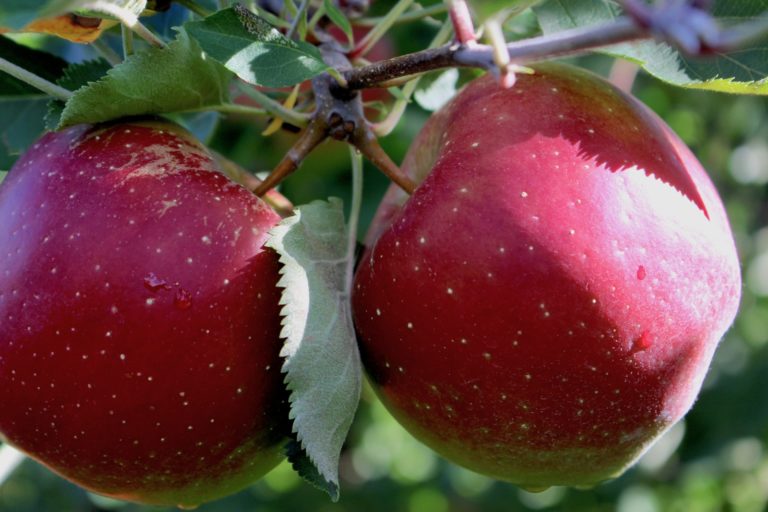
Apple Finder
Learn about more than 100 apple varieties, and find the New England orchards where they grow!
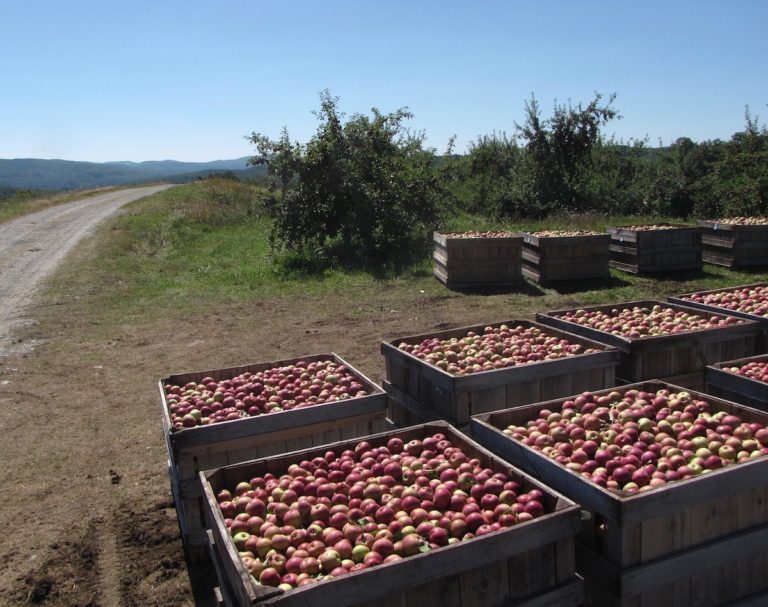
Orchard Finder
Your guide to New England’s best apple orchards.
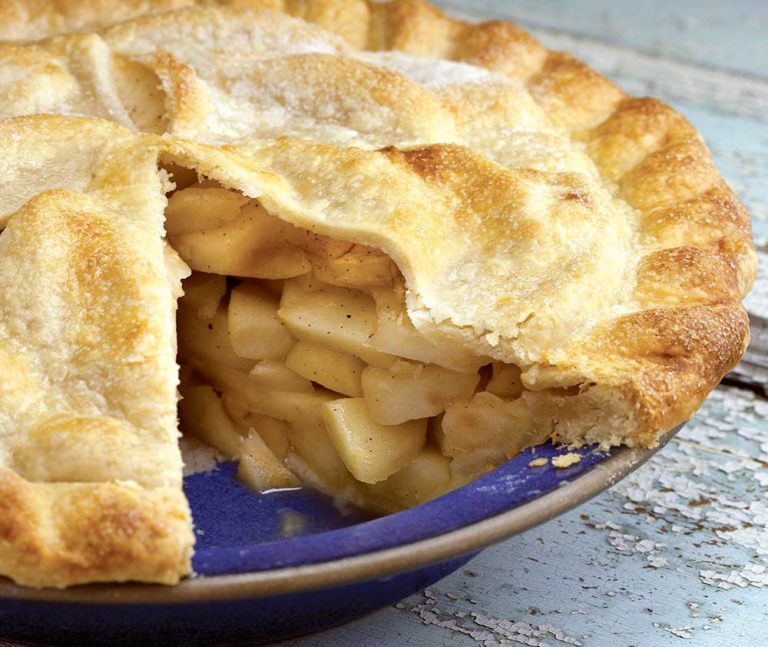
Recipe Finder
Delicious apple recipes for every course of every meal.
Featured Apple See all apples
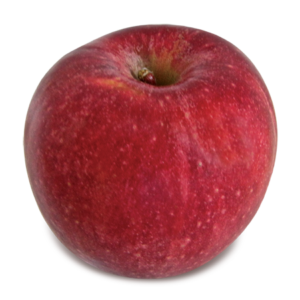
Stayman
Stayman, like Stayman’s Winesap, is a striped, deep red apple with a cream-colored, crisp, and juicy flesh. Ready for harvest in mid-October, it is a tart, all-purpose apple that stores well.
Discovered: 1866, Kansas
Parentage: Winesap x Unknown
Harvest: Late Season
Learn more and find orchardsLatest Blog Posts See all posts
Apples and Climate Change
WHEN IT COMES TO APPLES and climate change, people tend to think of major weather events. Three significant events combined to...
Read MoreBraeburns in Apple Cranberry Crisp
ADRIENNE ANIFANT AFTER LONG HOURS OF PREPARING Thanksgiving pies and dealing with fickle crusts, this apple crisp recipe will be a...
Read MoreTasty, Tangy Apple Cornbread Stuffing
ADRIENNE ANIFANT WHEN I WAS A CHILD, I would wait all year for Thanksgiving so I could indulge in my...
Read More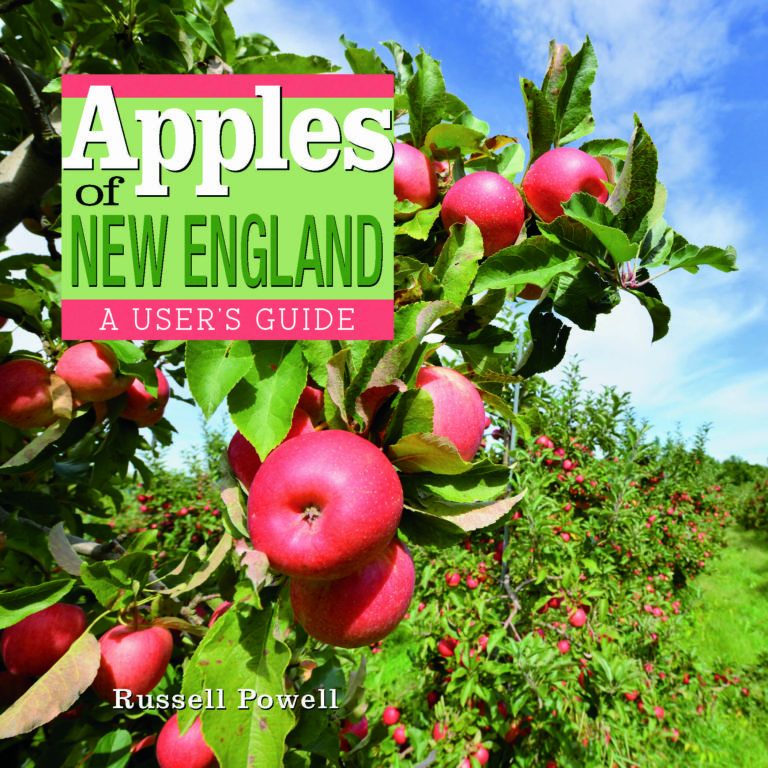
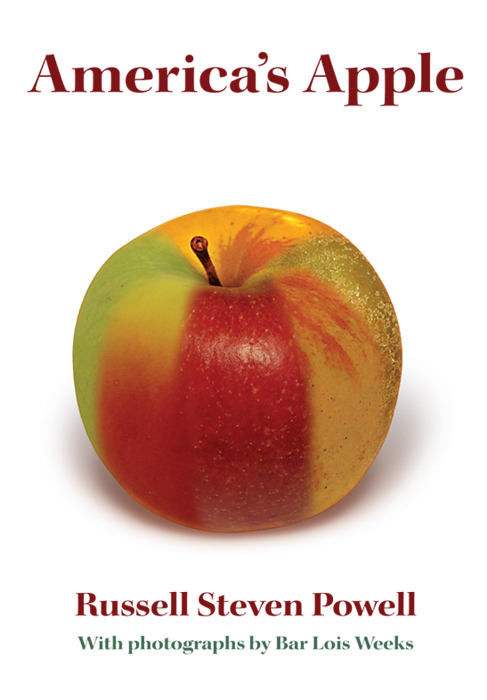
Read All About It!
The History of New England Apples, and How Apples are Grown Across the Country!